Eco-Friendly Roofing Options: Materials, Costs & Benefits Explained
When a storm hits or your roof starts leaking, you need answers fast. But what about when you want to plan for the long haul—saving energy, lowering bills, and shrinking your carbon footprint? More homeowners and businesses are searching for eco-friendly roofing options that do more than just keep the rain out. At Chucks Roofing, we help you make sense of the choices, costs, and benefits, so you can feel good about your roof and your impact on the planet.
Roofing isn’t just about shingles or tiles. It’s about creating a shield—one that’s durable, resilient, and kind to the world around you. Let’s break down what makes a roof eco-friendly, and why the right roof can make a big difference for your wallet and for future generations.
What Makes a Roof Eco-Friendly? 🌱
Picture a roof as your home’s hat. An eco-friendly hat does more than just block sun and rain. It reflects heat, helps your home breathe, and—depending on the material—even cleans the air.
A truly eco-friendly roof usually checks a few boxes:
- Made from recycled or sustainably sourced materials
- Reflects heat to keep buildings cooler (reducing energy use)
- Designed for long life (less waste in landfills)
- Can be recycled or reused at end-of-life
- Helps manage rainwater naturally
It’s about the big picture. Not just what’s above your head, but how that roof fits into your home’s energy use, maintenance, and environmental impact. When emergencies strike, choosing sustainable options can even make repairs easier down the road.
Top Sustainable Materials for Eco-Friendly Roofing
Not all roofs are created equal. Some materials stand out for their green credentials, while still offering the strength and emergency roofing protection you need.
Metal Roofing
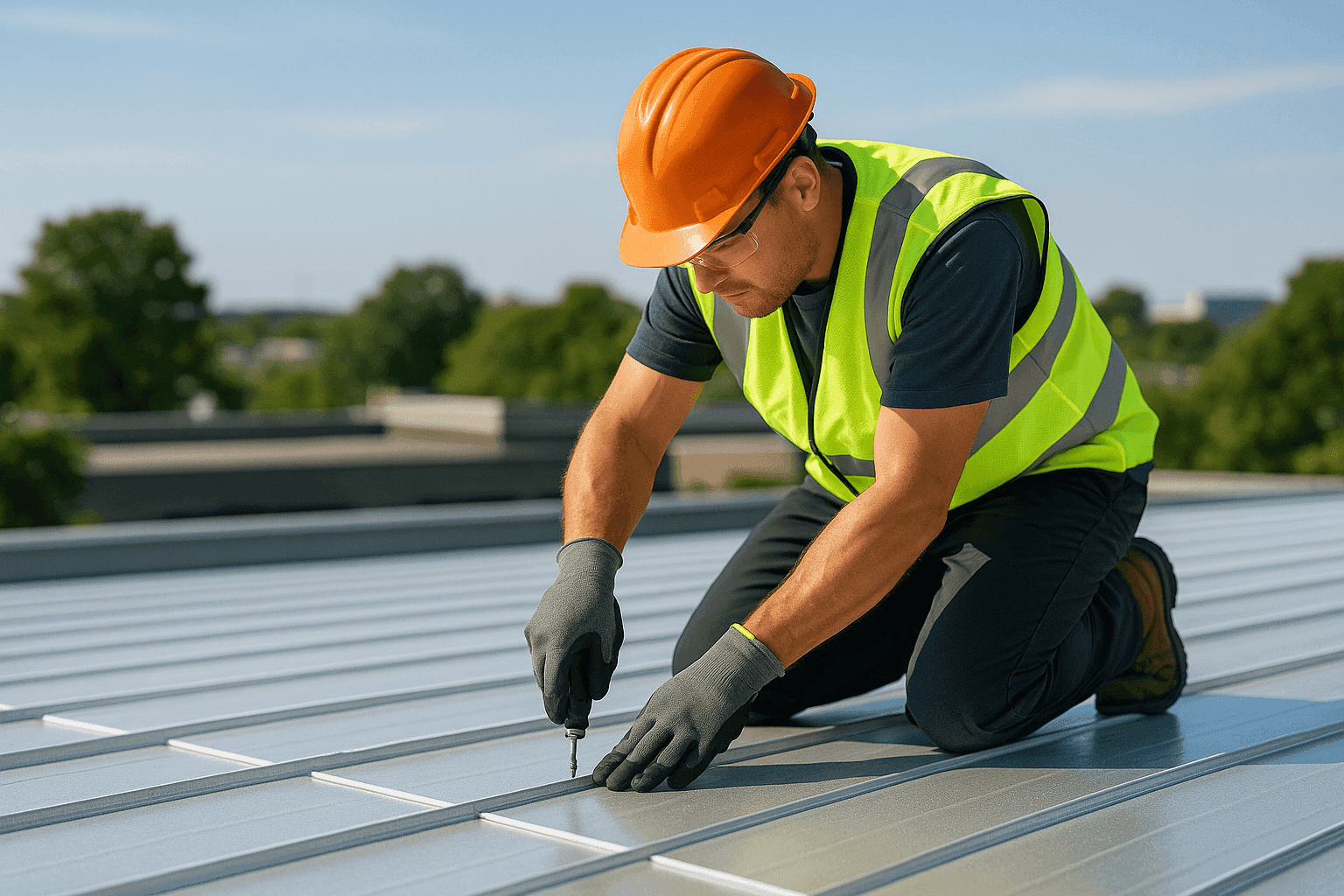
Metal roofs are like the Swiss Army knife of the roofing world. They’re tough, last 40–70 years, and reflect solar heat, lowering cooling costs. Many are made from recycled steel or aluminum and are 100% recyclable at end-of-life. Great for both residential and commercial properties.
Benefits:
- Fire-resistant
- Lightweight
- Works with rainwater harvesting systems
- Energy Star-rated options available
Cool Roofs
Cool roofs wear their sunglasses year-round. Coated with special reflective paint or covered in light-colored membranes, these roofs bounce back the sun’s rays instead of absorbing heat.
Cool roofing is ideal for:
- Flat roofs on commercial buildings
- Homes in hot, sunny climates
- Lowering attic temperatures and AC bills
The U.S. Department of Energy recommends cool roofs for both energy savings and comfort.
Recycled Shingles
Love the classic look of Shingle Roofing near you? Opt for recycled shingles made from rubber, plastic, or reclaimed wood fiber. They mimic traditional styles but use far less raw material.
Key features:
- Durable and weather-resistant
- Divert waste from landfills
- Often lighter than regular asphalt shingles
Some brands are certified by organizations such as the Cradle to Cradle Products Innovation Institute, which rates material health and recyclability.
Green Roofs (Living Roofs) 🌿
Think of a green roof as a garden on your rooftop. Layers of soil and plants soak up rain, cool the building, and create habitats for birds and pollinators.
Best for:
- Urban homes or businesses
- Reducing “heat island” effect in cities
- Stormwater management
Green roofs can be customized to your climate and maintenance preferences—some are vibrant wildflower meadows, others are low-maintenance succulents.
Installation Costs vs. Lifetime Savings
Let’s talk numbers. Upfront costs for eco-friendly roofs can be higher than traditional options—but that’s only half the story. Like buying a quality mattress, you’re investing in years of comfort, durability, and savings.
What to Expect
- Metal Roofing: Higher installation cost, but lasts decades with minimal maintenance. Savings on cooling bills can add up fast.
- Cool Roofs: Modest price jump over traditional materials. Pays off in energy savings, especially in hot climates.
- Recycled Shingles: Similar cost to mid-range asphalt, but longer lifespan.
- Green Roofs: Most expensive upfront, but can double a roof’s life and save big on heating/cooling.
Lifetime Savings:
- Lower utility bills (reflective surfaces and insulation)
- Fewer repairs and replacements
- Potential insurance discounts for fire and impact resistance
Tax Credits & Incentives:
Federal and some state programs offer credits for energy-efficient roofs. For example, the IRS Residential Energy Efficient Property Credit covers certain “cool” and metal roofs that meet Energy Star requirements (consult IRS Form 5695). Some local utilities also offer rebates—check with your city or county for the latest details.
Energy Efficiency and Environmental Impact
A roof is your home’s frontline defense against weather. Eco-friendly options add another layer—energy performance. Here’s how:
Keep It Cooler (or Warmer)
- Reflective roofs: Kick heat back into the sky instead of trapping it in your attic.
- Insulated systems: Keep warm air inside in winter, cool air in during summer.
- Proper ventilation: Reduces mold, extends roof life, and keeps your space comfortable.
The EPA reports that cool roofs can lower energy use by up to 15% in hot climates. That’s like turning down the sun’s thermostat for your entire building.
Reduce Your Carbon Footprint
- Fewer raw materials used = less mining and manufacturing pollution
- Reduced energy use means fewer greenhouse gas emissions
- Some systems (like green roofs) even capture carbon and filter air
When you call for emergency roofing or routine maintenance, ask about eco-friendly sealants, coatings, and underlayment. These small upgrades can make a big difference over time.
Case Studies and Certifications 🏅
Real-world results speak louder than claims. Here’s how property owners are changing their communities—one roof at a time.
Case Study 1: Metal Roof in a Tornado Zone
A commercial property in the Midwest needed emergency roofing after a tornado. Instead of rebuilding with asphalt, the owner chose a standing-seam metal roof with recycled content. The new roof cut summer cooling costs by 20% and qualified for a local energy rebate.
Case Study 2: Green Roof for Urban Heat
A family in a dense city neighborhood installed a green roof with succulents. Their home stayed 10 degrees cooler in summer, and the roof absorbed thousands of gallons of stormwater each year, easing strain on city sewers.
Certifications to Look For
- Energy Star: Recognizes energy-saving roofing products
- Cradle to Cradle: Certifies recycled/recyclable content and responsible manufacturing
- LEED: Recognizes sustainable building features, including roofing
- UL & FM Approvals: Indicates products meet rigorous safety standards
Chucks Roofing sources materials that meet or exceed these certifications, so you know your roof is built to last—and to do good.
Practical Tips for Choosing Eco-Friendly Roofing
- Consider your climate: Cool roofs make sense in sunny regions; green roofs thrive in mild, wet areas.
- Think about maintenance: Some systems need more care than others. Ask about cleaning, inspections, and plant upkeep.
- Ask about end-of-life: Will your roof be recyclable or reusable when it’s time for a replacement?
- Check for local incentives: Some states and cities offer extra credits or rebates for sustainable roofing.
- Schedule regular inspections: Prevent leaks and damage before they start, especially after major storms.
For more, check guidelines from the International Code Council (ICC) and Energy Star’s roofing program.
Frequently Asked Questions
How long do eco-friendly roofs last compared to traditional roofs?
Many eco-friendly options—like metal or recycled shingles—outlast asphalt by decades. Green roofs and cool roofs can double the life of your underlayment when properly maintained. Longevity means fewer repairs and replacements, even in emergency roofing situations.
Will a sustainable roof work in my climate?
Most materials can be tailored to your region. Metal and cool roofs excel in hot, sunny areas. Green roofs are great in places with regular rain. Chucks Roofing assesses your building, local weather, and energy needs before recommending options.
Are there eco-friendly choices for flat roofs?
Absolutely. Cool roofs, single-ply membranes, and even green roofs are practical for flat or low-slope structures. These are especially popular for commercial properties and multifamily buildings.
Do eco-friendly roofs cost more to install?
The initial price is often higher, but energy savings, tax credits, and longer lifespans help offset costs. Over time, most property owners see a return on their investment.
Local and Seasonal Considerations
- Hurricane/Tornado Zones: Metal roofs and impact-rated shingles stand up to extreme weather. Fast repairs are possible in emergencies.
- Snow & Ice: Steep-slope metal roofs shed snow fast, reducing ice dams. Insulation and ventilation are key.
- Hot, Dry Regions: Cool roofs and tile reflect intense sun, protecting your home and lowering AC bills.
- Wet Climates: Green roofs absorb rain and slow runoff. Proper flashing and drainage are essential.
Every roof is unique. Chucks Roofing reviews local building codes, weather patterns, and your property’s needs before making a recommendation.
When you need emergency roofing, a new installation, or just want to explore eco-friendly upgrades, Chucks Roofing is here to help—day or night. Ready for a roof that works as hard as you do?
Call Chucks Roofing now — or reach us anytime at 888-885-5921 .