How to Identify and Fix Roof Flashing Problems Before They Cause Damage
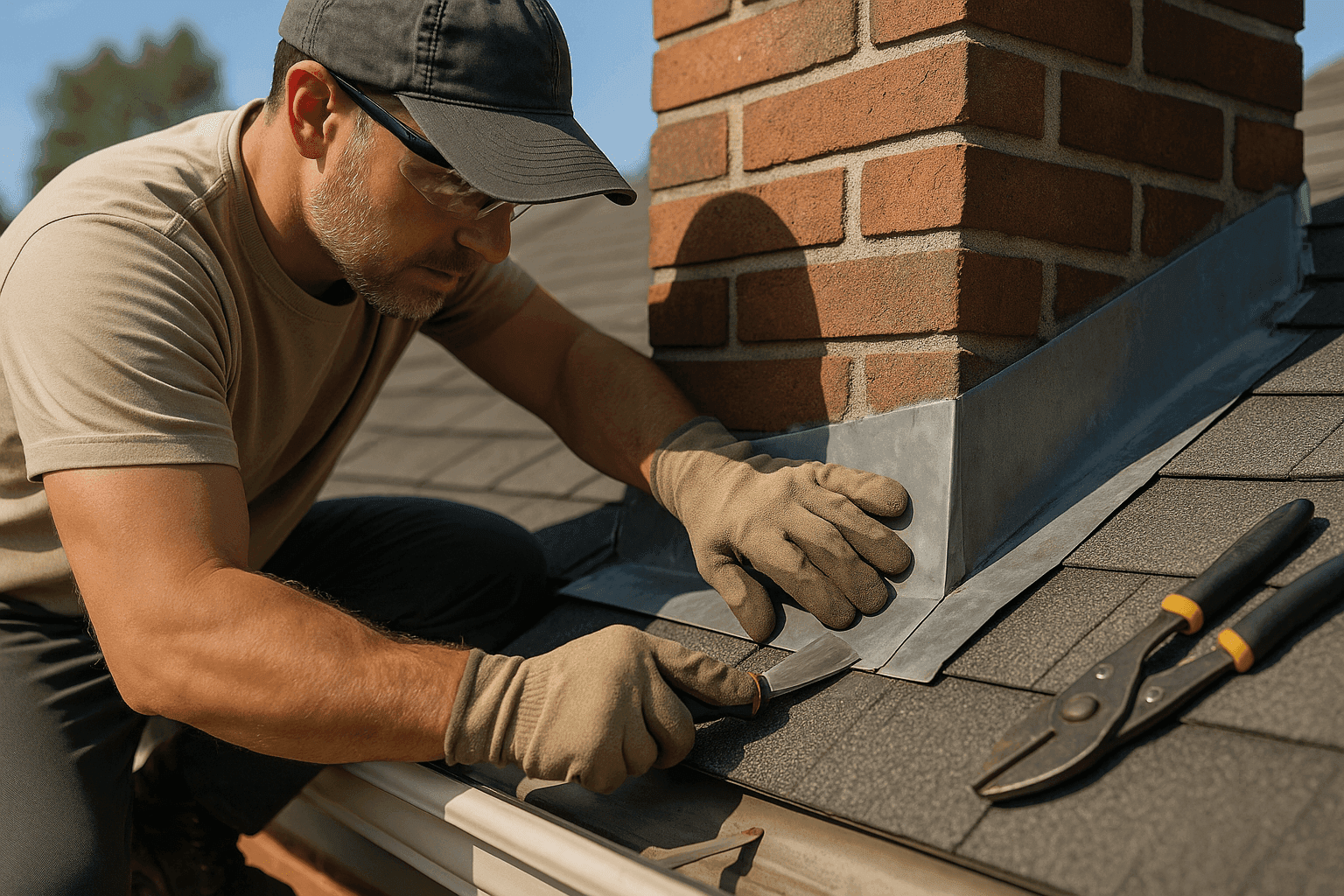
Roofs are like shields. Flashing is the armor at the joints. When it fails, water sneaks in—quiet, slow, and relentless. You might not notice until stains bloom on your ceiling or the attic smells musty. By then, the damage is done.
At Chucks Roofing, we see it all the time. Homeowners and small business owners call us after the first drip, hoping it’s nothing big. Sometimes it is. Sometimes it isn’t. But one thing’s certain: catching roof flashing problems early saves money, stress, and structure.
Why Roof Flashing Matters
Roof flashing is the thin metal—or sometimes rubber or plastic—that seals the seams where your roof meets a wall, vent, chimney, or skylight. Think of it as the raincoat’s zipper. Without it, water would pour in at every edge.
Common flashing spots:
- Around chimneys
- At skylights
- Along roof valleys
- Around vents and pipes
- Where walls meet the roof
When flashing cracks, rusts, or pulls away, water finds a path inside. Over time, leaks can rot wood, ruin insulation, and even weaken your building’s bones.
Where Problems Start: Trouble Spots
Some areas are more likely to have flashing issues. Keep an eye on:
- Chimneys: Mortar crumbles, or the flashing pulls away.
- Skylights: Old caulk or bent metal lets water in.
- Vents and Pipes: Rubber boots dry out and crack.
- Roof Valleys: Debris builds up, trapping moisture.
- Wall Intersections: Siding shifts, loosening the seal.
If your roof has any of these, check them regularly—especially after storms.
Quick Safety Checklist 🛑
Before you grab a ladder, pause. Roof work is risky. Here’s how to stay safe:
- Only inspect from the ground if possible.
- Use a sturdy, properly placed ladder.
- Wear rubber-soled shoes for grip.
- Never work alone—have someone nearby.
- Avoid wet, icy, or windy conditions.
- Don’t step on damaged or loose areas.
- Watch for power lines and overhead hazards.
If you’re unsure, call a professional. Safety first, always.
Spotting Flashing Failure: Signs to Watch For
How do you know your flashing is failing? Look for clues inside and out.
Inside your home or business:
- Water stains on ceilings or walls
- Peeling paint or bubbling plaster
- Musty odors or visible mold
- Damp attic insulation
Outside on the roof:
- Rusty, bent, or missing flashing
- Cracked, dried-out sealant
- Gaps between flashing and roof
- Shingles curling near joints
A flashlight and a careful eye can reveal a lot. Don’t ignore even small signs—water travels farther than you think.
DIY vs. Call a Pro
Some minor flashing issues can be handled by handy homeowners. Others demand professional skills and tools.
DIY-friendly fixes:
- Re-sealing small cracks with roofing caulk
- Replacing a short section of loose flashing (if you’re comfortable on a ladder)
- Cleaning debris from valleys and joints
Call Chucks Roofing if:
- The flashing is rusted, missing, or badly bent
- Leaks are persistent or widespread
- The roof is steep, high, or difficult to access
- There’s structural or mold damage
A temporary fix can buy time, but lasting repairs need the right materials and know-how. The National Roofing Contractors Association (NRCA) recommends professional inspection for any suspected flashing damage.
Step-by-Step: Basic Flashing Repair
Here’s how to patch a minor flashing issue, if you’re confident and conditions are safe:
- Locate the leak. Trace water stains back to their source on the roof.
- Clean the area. Remove debris, old caulk, and dirt.
- Apply roofing caulk. Seal small cracks or gaps with a high-quality, exterior-grade sealant.
- Replace nails or screws. If fasteners are missing or loose, use galvanized roofing nails.
- Press flashing back in place. Secure it tightly against the roof and wall.
Temporary fix: For emergencies, heavy-duty duct tape or roofing tape can slow leaks until a pro arrives. But don’t rely on this for long.
What Pros Do On Arrival
When Chucks Roofing arrives for emergency roofing or scheduled repair, here’s what happens:
- Inspection: We examine all flashing, shingles, and potential leak paths.
- Moisture check: Using moisture meters, we find hidden water damage.
- Remove and replace: Damaged flashing is removed with care, and new flashing is installed to industry standards (per International Building Code guidelines).
- Seal and secure: All seams are sealed with professional-grade materials.
- Test: We simulate rain to check the repair before leaving.
Our technicians are certified and trained in working with shingle, metal, tile, and flat roofing systems. Your roof gets the right fix, the first time.
Prevention & Maintenance Tips 🧰
A little attention goes a long way. Here’s how to keep flashing problems from sneaking up on you:
- Inspect twice a year: Spring and fall are best. Look closely after big storms.
- Clean gutters and downspouts: Clogs cause water to back up, stressing flashing.
- Trim overhanging branches: Falling limbs can bend or break flashing.
- Check attic ventilation: Poor airflow causes condensation and rust.
- Re-seal as needed: Caulk and sealant degrade over time—refresh every few years.
Schedule a professional inspection every 2–3 years, or after severe weather. The International Association of Certified Home Inspectors (InterNACHI) recommends routine roof checks to catch small issues early.
Costs & Time Factors
Flashing repair costs vary by the size and severity of the problem. Here’s what to expect:
- Minor repairs: Small reseals or patch jobs can take less than an hour.
- Moderate repairs: Replacing a section of flashing, especially around chimneys or skylights, may take a few hours.
- Major repairs: If water damage has spread, repairs can take a day or more.
Material costs are usually low—labor and safety drive most of the expense. Emergency roofing calls may cost more, especially after storms or outside regular hours.
When It’s an Emergency
Some flashing problems can’t wait:
- Water dripping inside during a storm
- Large sections of missing or bent flashing
- Mold or rot spreading quickly
- Signs of structural sagging or ceiling collapse
If you spot any of these, call for emergency roofing service immediately. Water moves fast. So should you.
FAQ: Roof Flashing Problems
How long does flashing last?
Quality metal flashing can last 20 years or more, but sealants and caulking may need replacement every 5–10 years.
Is roof flashing always metal?
Most flashing is aluminum or galvanized steel, but rubber, copper, and plastic are also used—especially around pipes and vents.
Can I just patch over old flashing?
Temporary patches work in a pinch, but old, rusted, or loose flashing should be replaced for lasting protection.
What if my roof is under warranty?
Check your warranty paperwork. Many cover flashing, but only if repairs are done by certified technicians.
Special Considerations for Roof Flashing
Every roof is different. Flat roofs, metal roofs, and tile roofs all have unique flashing needs. Skylights, chimneys, and custom features require precise work. Eco-friendly roofing materials may need special sealants or installation methods.
If your building is older, existing flashing might not meet current safety or building codes. Upgrading can improve both protection and value.
For commercial properties, routine inspections are even more crucial. A leak can disrupt business, damage stock, and create liability risks.
Don’t let a small leak become a big problem. Protect your home or business with proactive roof flashing care.
Call Chucks Roofing now — or reach us anytime at 888-885-5921 .