How to Prepare Your Roof for Winter Storms: Essential Tips for Homeowners and Small Businesses
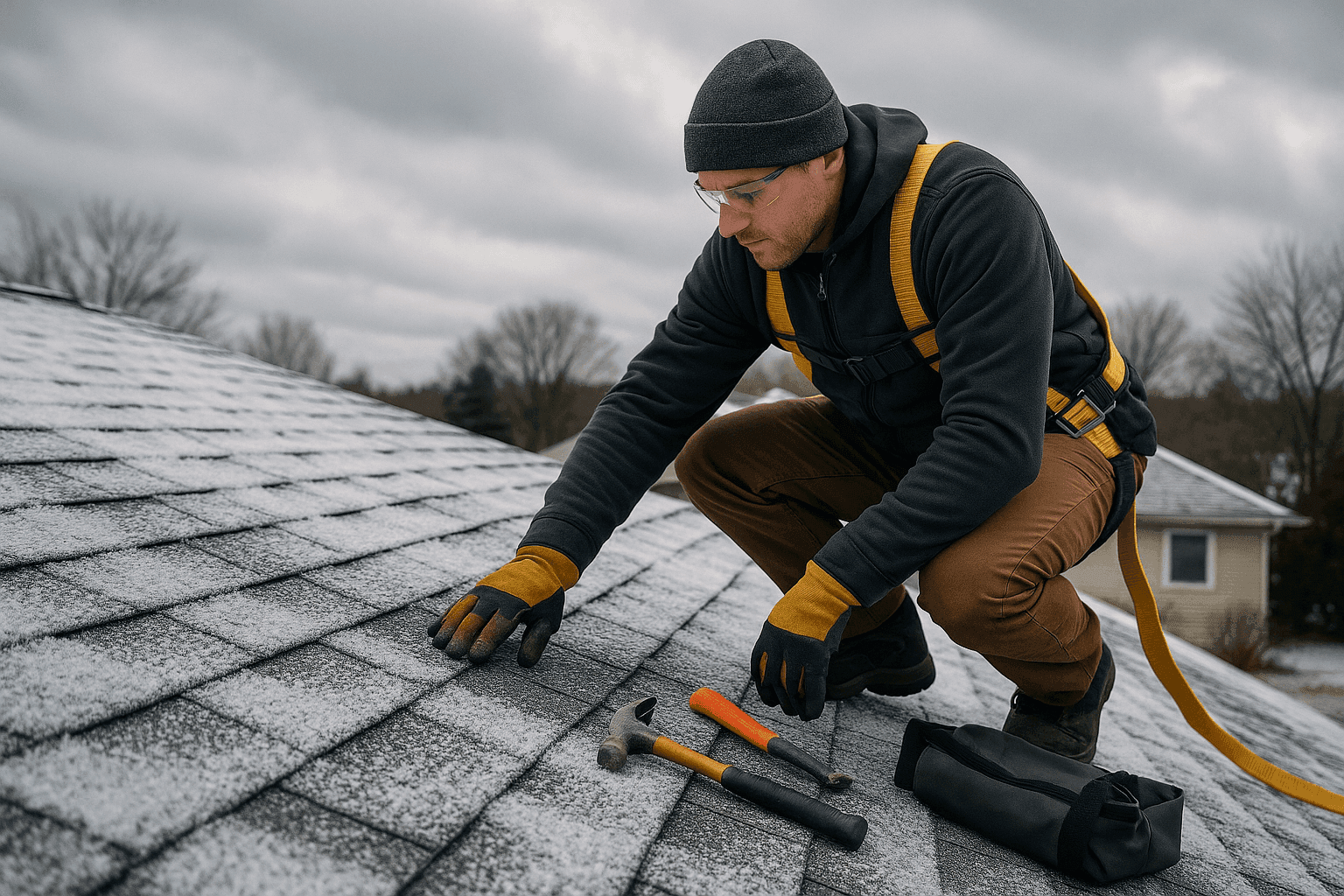
When the first flakes fall, you might be thinking about hot cocoa and cozy blankets. But your roof? It’s bracing for a battle. Winter storms can hit hard, and the damage isn’t always obvious—until it’s dripping onto your kitchen table.
At Chucks Roofing, we’ve seen it all. From ice dams that sneak under shingles to gutters buckling under a heavy snow load, winter is unforgiving. But with a little know-how and some practical steps, you can shield your home or business from costly headaches.
The Real Risks of Winter Storms
Picture your roof as a shield. Every winter, it faces ice, snow, and wild temperature swings. Here’s what it’s up against:
- Ice dams: When warm air escapes into your attic, it melts snow on your roof. That water trickles down, refreezes at the eaves, and forms a dam. Water backs up, sneaking under shingles.
- Heavy snow loads: Wet, heavy snow can weigh down your roof like a pile of bricks. Over time, that pressure can strain the structure or even cause collapse.
- Freeze-thaw cycles: Water seeps into tiny cracks, freezes, expands, and widens the gaps. It’s like Mother Nature’s slow-motion pry bar.
- Wind-driven rain and snow: High winds can lift shingles, expose seams, and push moisture where it doesn’t belong.
Small problems can snowball (pun intended) into big repairs. Spotting risks early is key.
Quick Safety Checklist Before the Storm Hits 🧤
Not sure where to start? Here’s a simple checklist you can tackle before the first snowstorm:
- Clear gutters and downspouts: Remove leaves, twigs, and debris. Water needs a clear path off your roof.
- Inspect for loose or missing shingles: Look for curling, cracking, or gaps.
- Check flashing and sealants: Around chimneys, skylights, and vents—these are common leak points.
- Look for sagging or uneven roof lines: Could signal hidden structural issues.
- Test attic ventilation and insulation: Poor airflow lets heat escape, which can lead to ice dams.
- Trim overhanging branches: Heavy snow or ice can send them crashing onto your roof.
- Secure loose gutters and downspouts: Make sure they’re firmly attached and draining away from your foundation.
If anything looks off, don’t ignore it. Small fixes now beat emergency roofing repairs later.
DIY or Call a Pro? Knowing Your Limits
Some roof prep jobs are safe for handy homeowners. Others? Not so much. Here’s a quick way to decide:
DIY-Friendly Tasks
- Cleaning gutters (if you have a sturdy ladder and helper)
- Checking from the ground with binoculars
- Clearing light snow with a roof rake (never climb onto a snowy roof)
Call a Professional When:
- You notice broken, missing, or curling shingles
- Flashing looks rusted, bent, or out of place
- You find water stains on ceilings or walls inside
- There’s visible sagging or soft spots
- You’re uncomfortable with heights or unsure about safety
Remember: Falls are a leading cause of home injury. If you’re not confident, don’t risk it.
What Roofing Pros Do When They Arrive
When you call Chucks Roofing for an inspection or emergency roofing service, here’s what to expect:
- Thorough visual inspection: We check shingles, flashing, gutters, and all vulnerable spots.
- Attic check: We look for signs of leaks, poor insulation, or blocked ventilation.
- Moisture detection: Special tools help us spot hidden water damage.
- Structural assessment: We assess decking, trusses, and supports for signs of strain or rot.
- Immediate fixes: For urgent issues, we can tarp damaged areas or patch leaks to prevent further harm.
Our team follows safety standards set by the Occupational Safety and Health Administration (OSHA) and recommendations from the National Roofing Contractors Association (NRCA). We’re trained to catch what others might miss.
Prevention & Maintenance: Your Best Defense 🛡️
Winter storms don’t have to mean disaster. With regular care, your roof can weather almost anything. Here’s how to keep it strong:
1. Clean Gutters and Downspouts
Clogged gutters are like clogged arteries for your roof. Water backs up, freezes, and causes damage. Clean them twice a year—late fall and early spring are ideal.
2. Inspect Shingles and Flashing
Look for signs of wear and tear. Replace damaged shingles promptly. Pay special attention to flashing around chimneys, skylights, and vent pipes—these are prime leak spots.
3. Check Attic Ventilation and Insulation
Proper ventilation keeps your attic cool and dry, reducing the risk of ice dams. Insulation acts like a cozy blanket, keeping warm air inside your home where it belongs. The U.S. Department of Energy recommends at least 10–14 inches of insulation in most attics.
4. Use Sealants and Roof Coatings
High-quality sealants and coatings add an extra layer of protection. They help prevent water intrusion and extend the life of your roof—especially on flat or low-slope surfaces.
5. Schedule Regular Inspections
A professional inspection before winter can catch small issues before they become emergencies. Think of it as a health checkup for your roof.
6. Trim Trees and Remove Debris
Branches too close to your roof can drop leaves and twigs, clogging gutters. Heavy limbs can break under snow and ice, damaging shingles and gutters.
7. Consider Eco-Friendly Upgrades
Modern roofing materials, like reflective coatings or recycled shingles, can help with insulation and reduce ice dam risk. They’re good for your wallet and the environment.
Costs & Time Factors: What to Expect
Roof maintenance and repairs can vary widely in cost and time, depending on the problem and your roof’s size and style.
- Simple gutter cleaning: Usually takes a couple of hours.
- Minor shingle or flashing repairs: Can be done in half a day.
- Major repairs or replacements: May take several days, especially if weather delays work.
- Emergency roofing services: Often prioritized, but severe storms can create backlogs.
Material costs depend on your roof type—shingle, metal, tile, or flat. Labor costs reflect the complexity and safety requirements. Investing in regular maintenance often saves money in the long run by preventing bigger problems.
When It’s an Emergency 🚨
Sometimes, winter storms don’t wait for a convenient moment. Here’s how to know if you need emergency roofing help right away:
- Sudden leaks or water pouring inside
- Visible holes or missing sections of roof
- Gutters or downspouts torn off by wind or ice
- Ceiling sagging or signs of imminent collapse
- Large branches or debris puncturing the roof
If you spot any of these, don’t delay. Quick action can prevent further damage to your property and belongings.
FAQ: Winter Roof Prep
How often should I clean my gutters in winter?
Check them at least once in late fall and after major storms. If you have lots of trees nearby, more frequent checks may be needed.
What’s the best way to spot early roof damage?
Look for missing or damaged shingles, rusted flashing, water stains in the attic, or sagging gutters. Binoculars are handy for ground-level checks.
Can I use salt to melt ice dams?
Avoid using rock salt—it can damage shingles and gutters. Calcium chloride is safer, but be careful. It’s best to address the root cause: poor insulation or ventilation.
How do I know if my roof is overloaded with snow?
If doors or windows start sticking, or you hear popping or creaking sounds, your roof could be under stress. Heavy, wet snow is especially risky. When in doubt, call a professional.
Special Considerations for Roof Prep Services
Every roof is unique. Age, material, slope, and past repairs all play a role in how you should prepare for winter. Flat roofs, for example, are more prone to pooling water and need extra attention to drainage and coatings. Metal roofs shed snow easily but need secure flashing. Skylights and chimneys add more places for leaks to sneak in.
Always use safety gear if you’re working on a ladder. Never attempt repairs during a storm or when the roof is icy. And remember—if you’re ever unsure, it’s safer to call for emergency roofing help than to risk injury.
A little preparation goes a long way toward a safe, dry winter. If you need an inspection, repair, or emergency roofing service, Chucks Roofing is ready 24/7 to help.
Call Chucks Roofing now — or reach us anytime at 888-885-5921 .