How Much Does a Roof Replacement Cost? Price Factors Explained
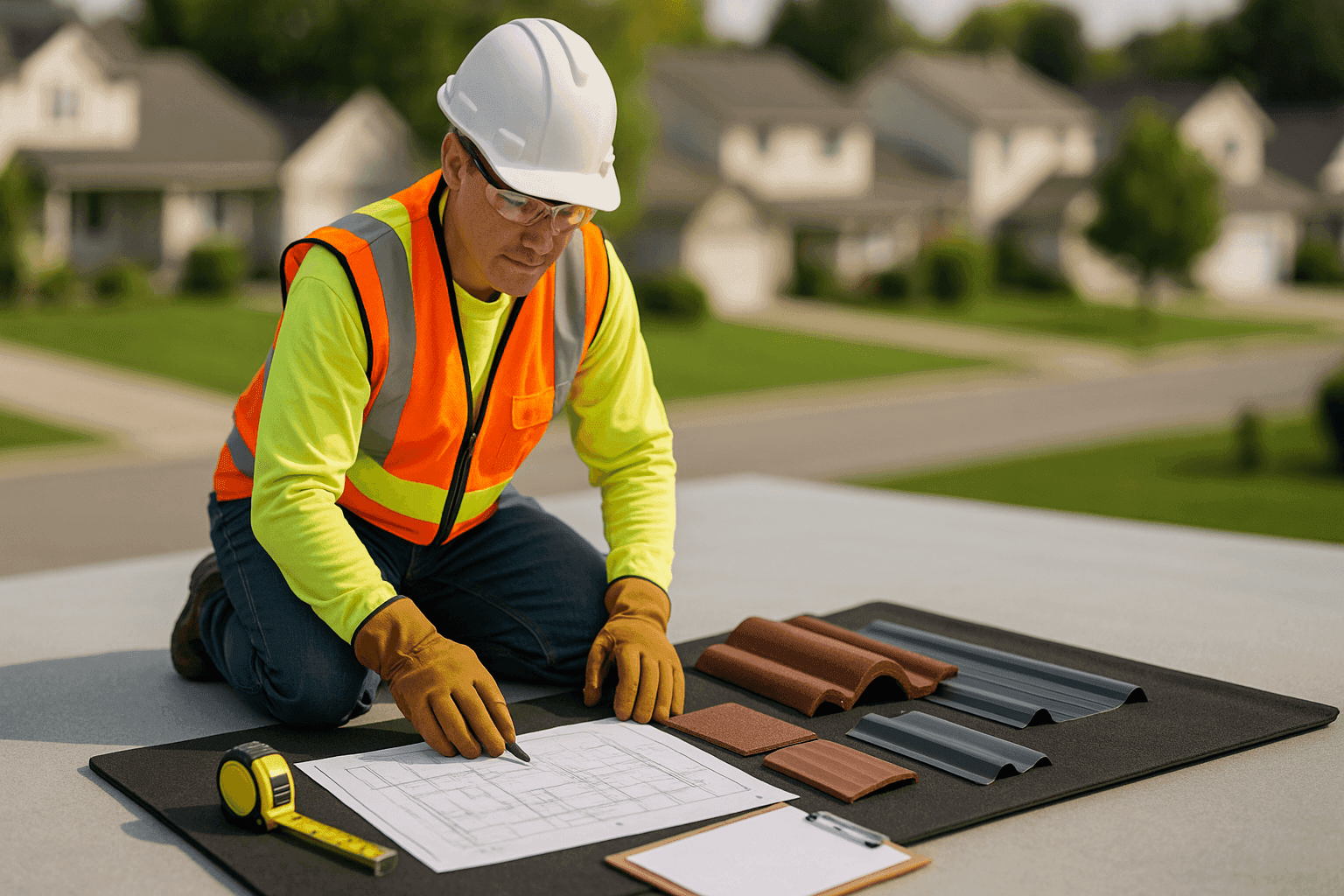
Replacing your roof can feel like staring at a mountain you didn’t plan to climb. Whether you’re nursing a leak after last night’s thunderstorm or the shingles are curling like potato chips, the big question’s the same: “How much will this cost me?”
At Chucks Roofing, we’ve seen it all—from quick fixes on flat roofs to major replacements after a hailstorm. We know that emergency roofing doesn’t leave much room for guesswork. That’s why we break down every factor, so you can plan with confidence and stay in control.
Average Roof Replacement Costs by Material, Size, and Complexity
Before we dig into the details, here’s what most homeowners and business owners want to know upfront: What’s the ballpark?
- Shingle Roofing: $6,000–$14,000 for standard homes (1,500–2,500 sq ft).
- Metal Roofing: $10,000–$28,000 depending on profile and finish.
- Tile Roofing: $15,000–$40,000, especially for larger homes or premium tiles.
- Flat Roofs: $8,000–$20,000, often used for commercial or multi-family buildings.
These are ranges, not promises. Your actual price depends on more than just the material. Let’s break down the real drivers.
What Impacts Your Roof Replacement Price? 🏗️
Every roof tells a different story. Here’s what really shapes your estimate:
Material Choices
- Shingles: Asphalt shingles are the most common and budget-friendly. Architectural shingles cost more but last longer.
- Metal: Durable, energy-efficient, but pricier up front. Great for storm-prone areas.
- Tile: Clay or concrete tiles offer a classic look. Heavy and tough, but installation is specialized.
- Flat/Low-Slope: Usually built-up (BUR), modified bitumen, or single-ply membranes for commercial roofs.
Pro tip: Material warranties vary. Some shingles have 30-year coverage; metal and tile can last 50+ years with proper care.
Roof Size and Shape
- Square Footage: More surface = more materials = higher cost.
- Shape and Complexity: Gables, hips, valleys, skylights, chimneys, and dormers add labor and time.
Think of it like painting a wall. A flat, open wall is quick. Add windows, arches, and trim, and things get tricky.
Labor and Installation
- Labor Rates: Vary by region and project complexity. Highly skilled crews cost more, but mistakes cost even more.
- Project Timeline: Tight deadlines or after-hours emergency roofing? That can add to the bill.
Removing Old Roofing
- Tear-Off: Removing old layers adds cost, especially if there’s water damage or multiple layers.
- Disposal Fees: Hauling away debris isn’t free.
Geographic Differences
- Local Codes: Some cities require specific materials or extra layers for fire/wind/hurricane zones.
- Permit Fees: These can range from a few hundred to over a thousand dollars, depending on the municipality.
According to the National Roofing Contractors Association, always check your local building code for the latest requirements.
Residential vs. Commercial Roof Replacement
- Residential: Usually smaller, steeper, and use shingles, metal, or tile. Easier access, but more angles and details.
- Commercial: Often flat or low-slope. May require special equipment, large crews, and commercial-grade materials.
Tip: Commercial roofs often have more layers and insulation, which adds to labor and disposal time.
How Storm-Prone Regions Affect Roofing Costs 🌪️
If you live where hail, hurricanes, or heavy snow are common, expect:
- Stronger Materials: Impact-resistant shingles, metal, or reinforced membranes.
- Extra Fasteners/Sealants: To meet code and insurance requirements.
- Insurance Hurdles: Some policies may only cover certain upgrades or materials.
- Emergency Roofing Premiums: Urgent repairs after a storm can drive up demand (and prices).
Always ask if your estimate meets local wind, snow, or fire resistance standards. Chucks Roofing stays up to date with the International Building Code (IBC) and local amendments.
Cost-Saving Tips for Roof Replacement
Stretch your dollar further without cutting corners:
- Schedule During Off-Peak Seasons: Fall and late winter can offer better rates.
- Ask About Material Options: Sometimes, a mid-range shingle offers better value than the cheapest or priciest.
- Maintain Your Roof: Preventative maintenance can save thousands over time.
- Bundle Services: Need gutters or skylight repair? Bundling can reduce overall costs.
- Financing: Many suppliers offer payment plans or work with financing partners.
Financing Options and Planning Ahead
Roofing is a big investment. Here are ways to manage the cost:
- Home Equity Loans/Lines: Lower interest than credit cards.
- Insurance Claims: If your roof was damaged by a covered peril (like hail), your policy may help.
- Manufacturer Financing: Some shingle and metal suppliers offer payment plans.
- Contractor Payment Plans: Ask Chucks Roofing about staged payments for larger projects.
Always read the fine print and check lender credentials. The Federal Trade Commission (FTC) offers guidelines on hiring and paying home improvement contractors.
What to Expect from a Roof Replacement Estimate 📝
A good estimate should list:
- Material Type and Brand
- Labor Breakdown
- Tear-Off and Disposal
- Permits and Inspections
- Timeline
- Warranty Details
Don’t be shy—ask about anything you don’t understand. A reputable roofing company welcomes your questions.
The Value of a Warranty
Warranties aren’t just fine print. They’re your safety net. Here’s what to look for:
- Material Warranty: Covers the product itself.
- Workmanship Warranty: Covers installation errors.
- Transferability: If you sell your home, can the warranty move with it?
Remember, a good warranty can boost your home’s resale value. According to the National Association of Realtors, buyers prefer homes with newer roofs and transferrable coverage.
How Chucks Roofing Delivers Accurate Quotes
We don’t believe in ballpark figures for something as serious as your roof. Every Chucks Roofing estimate starts with an in-person assessment:
- Full inspection, inside and out
- Photos and measurements
- Checking attic ventilation and insulation
- Looking for hidden damage
This helps us catch things others might miss—so you aren’t surprised later.
Budgeting for Your Roof Project
- Set aside 10–20% for unexpected repairs. Rot, poor ventilation, or code upgrades can show up after tear-off.
- Ask for a detailed written estimate. It’s your roadmap.
- Plan for weather delays. Rain, snow, or wind can push timelines.
Questions to Ask Your Roofer
- What materials are included in my estimate?
- Does the price include old roof removal and disposal?
- Who handles permits and inspections?
- What happens if you find hidden damage?
- How long will the job take, start to finish?
When Is It a Roofing Emergency? 🚨
Some issues can’t wait:
- Major leaks or water pouring in
- Storm or tree damage
- Missing shingles after high winds
- Sagging or collapsing sections
If you spot these, call for emergency roofing services right away. Quick action can prevent more costly repairs.
Quick Safety Checklist Before the Crew Arrives
- Move cars, grills, and patio furniture away from the house.
- Clear the attic and protect valuables under the roof line.
- Keep pets and kids safely indoors.
- Notify neighbors about the project and expected noise.
Safety first—for your family, your home, and our crew.
DIY vs. Call a Pro
Replacing a few shingles? Maybe that’s a weekend project. Full roof replacement? That’s a job for professionals. Roofing is steep, heavy, and dangerous. Falls are the leading cause of construction injuries (OSHA).
Pros bring:
- Safety harnesses and equipment
- Experience with local codes
- Insurance—protecting you if something goes wrong
What Pros Do When They Arrive
- Walk the property and roof
- Look for soft spots, leaks, and mold
- Check flashing, gutters, skylights, and chimneys
- Take precise measurements
- Review options and answer your questions
You’ll know what’s happening every step of the way.
Preventative Maintenance Tips
- Inspect your roof twice a year—spring and fall.
- Clean gutters and downspouts regularly.
- Trim branches that touch or overhang the roof.
- Check attic insulation and ventilation.
- Look for missing, cracked, or curling shingles.
Small fixes today can save big headaches tomorrow.
Roof Replacement FAQ
Q: How long does a typical roof replacement take?
Most residential jobs take 1–3 days. Commercial projects or complex roofs may need a week or more.
Q: Can I stay in my home during the work?
Yes, but expect noise and some vibration. We’ll let you know if we find anything that could affect your daily routine.
Q: What if it rains during my project?
We monitor the weather and protect your home with tarps or temporary coverings as needed.
Q: Does insurance cover roof replacement?
If you have storm damage or a covered peril, most policies will help. Wear and tear are usually not covered.
Local and Seasonal Considerations 🍂
- Snowy Winters: Plan replacement before heavy snow or after thaw.
- Hurricane Season: Beat the rush by scheduling before peak storm months.
- Hot Climates: Some materials handle heat better than others—ask about reflective options.
Final Thoughts
A new roof is a big step, but you don’t have to climb that mountain alone. At Chucks Roofing, we guide you through every decision—so you can feel safe under your own roof. Every time.
Call Chucks Roofing now — or reach us anytime at 888-885-5921 .