Signs Your Roof Needs Repair: When to Call the Pros
Is your roof trying to tell you something? For most homeowners and business owners, roofs blend into the background—until something goes wrong. When it does, the clock starts ticking. Water, wind, and time don’t wait.
At Chucks Roofing, we’ve seen it all. From tiny leaks to full-blown emergencies, quick action makes all the difference. But how do you know when it’s time to call in emergency roofing help? Let’s break it down.
Visible Signs from the Ground 🏠
You don’t need a ladder or special tools to spot the first clues. Sometimes, your roof shouts for help—if you know what to look for.
Missing or Damaged Shingles
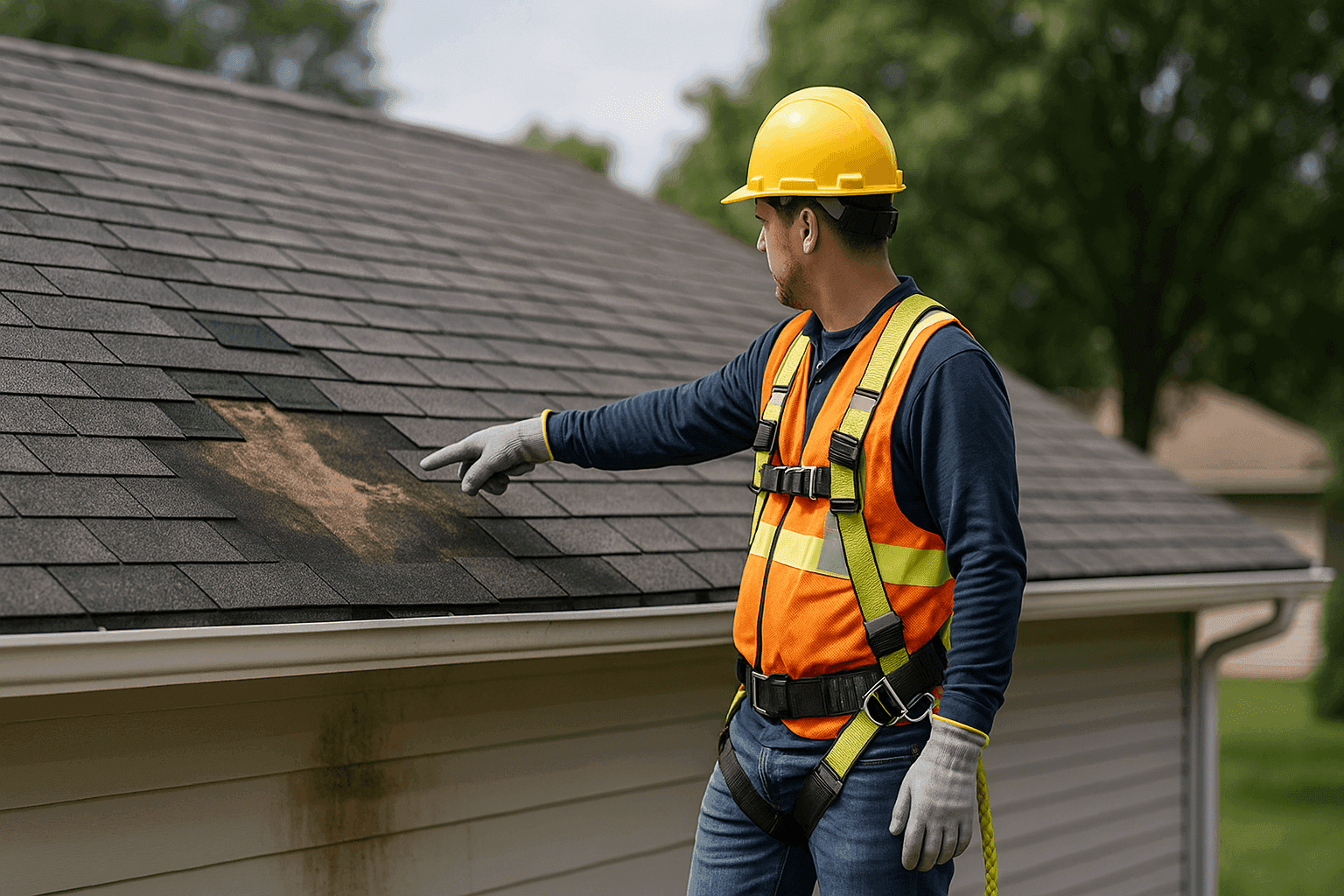
Take a step back and scan the roofline. Are there patches where shingles have vanished, or do you see cracked, bent, or “bald” shingles? Shingle Roofing near you should look even and intact. Missing or damaged shingles are like missing scales on a fish—water can slip in, and the damage can spread fast.
Sagging or Uneven Roof Lines
A sagging roof is never “just settling.” It’s more like a sinking ship. If you spot dips or curves where the roof should be straight, structural problems may be developing underneath. This can mean rotted decking, failing supports, or even a buildup of water.
Stains and Discoloration
Look for dark streaks or patches, especially under eaves or near chimneys. These could be algae, mold, or signs of a slow leak. Water stains might look harmless, but they’re often the tip of the iceberg—what’s underneath is the real concern.
Interior Warning Signs (Leaks, Mold, Ceiling Damage) 🚨
Sometimes the first signs appear inside, not outside.
Water Spots on Ceilings or Walls
Those brownish rings or damp marks on your ceiling aren’t just cosmetic. They mean water is getting in somewhere. Even a small leak can lead to big problems.
Mold or Mildew Growth
Notice a musty odor or fuzzy patches on walls and ceilings? Mold loves moisture. If it’s growing inside, your roof may be letting water seep through. The CDC warns that mold can impact air quality and health—don’t wait to address it.
Peeling Paint or Bubbling Plaster
Paint or plaster that bubbles, flakes, or peels is often reacting to moisture coming from above. This can signal hidden leaks or condensation issues tied to poor roof ventilation.
Subtle Red Flags (Gutter Debris, Flashing Issues) 🧐
Some warning signs are easy to miss unless you’re looking closely.
Granules in Gutters
Ever clean your gutters and find lots of sandy grit? That’s probably shingle granules. When shingles lose their protective coating, they shed granules—think of it like tree bark flaking off. Too many granules means your roof is aging fast.
Clogged or Damaged Gutters and Downspouts
Overflowing or sagging gutters can’t carry water away from your home. Over time, water backs up and seeps under roofing materials, attacking your roof from the edges. Downspout repair and installation are as important as the roof itself.
Flashing Gaps or Rust
Flashing is the metal that seals roof edges, chimneys, and skylights. If you see rust, cracks, or gaps, water can sneak in where you least expect it. The National Roofing Contractors Association (NRCA) recommends regular flashing inspections as part of roof maintenance.
DIY vs. Pro Repair Indicators 🛠️
Everyone wants to save money. Sometimes a simple fix is possible. Other times, you need emergency roofing services right away.
Safe to Tackle Yourself:
- Cleaning gutters (if you can do so safely)
- Replacing a few loose shingles (with proper tools and experience)
- Sealing small gaps with approved roof sealant
Time to Call the Pros:
- Leaks you can’t trace or stop
- Signs of structural sag, bowing, or rot
- Storm damage (fallen limbs, large debris, or exposed roof deck)
- Problems with skylights, chimneys, or flashing
- If you feel unsafe or unsure—your safety always comes first
Remember: Working at heights is dangerous. OSHA reports thousands of injuries each year from ladder and roof falls. When in doubt, call a professional.
What Happens If You Delay? ⏳
Putting off repairs is tempting, but the risks grow with every storm, wind gust, or freeze.
- Leaks spread: Water finds the path of least resistance—into walls, insulation, and wiring.
- Mold takes hold: Moisture inside means mold can start in as little as 48 hours.
- Structural rot begins: Wood framing, decking, and even drywall can be destroyed.
- Insurance headaches: Many policies require prompt action to prevent further damage. Waiting may cost you coverage.
- Higher costs: Small problems snowball into major repairs or full roof replacement.
Printable Roof Repair Checklist
Spot the signs early with this quick checklist:
- [ ] Look for missing or damaged shingles from the ground
- [ ] Scan for sagging spots or uneven lines
- [ ] Check ceilings for water stains or soft spots
- [ ] Smell for musty odors in attic or top floors
- [ ] Inspect gutters for shingle granules and debris
- [ ] Watch for flashing that’s rusted, missing, or peeling away
- [ ] Listen for dripping or see watermarks after storms
- [ ] Note any sudden increases in energy bills (could mean insulation issues)
Print and keep this list handy—quick checks can save you thousands down the road.
How Chucks Roofing Handles Your Emergency
When you call Chucks Roofing, here’s what you can expect:
- Rapid Response – Our team arrives fast, day or night.
- Thorough Inspection – We check visible and hidden trouble spots, using the guidelines from the International Association of Certified Home Inspectors (InterNACHI) and local building codes.
- Clear Explanation – We show you what’s wrong—using photos, not jargon.
- Action Plan – Whether it’s leak repair, shingle replacement, or structural fixes, we outline next steps.
- Respect for Your Property – We work clean, safe, and with minimal disruption.
Practical Tips for Preventative Maintenance
Stay ahead of roofing problems with these simple steps:
- Clean gutters at least twice a year
- Trim overhanging branches to prevent storm damage
- Schedule annual inspections—spring and fall are best
- Address small repairs (like loose flashing) before they become emergencies
- Watch for signs inside and out after major storms
The National Roofing Contractors Association (NRCA) and your local building department often publish maintenance checklists—these are great resources for homeowners and businesses alike.
Costs & Time Factors
Every roof, and every repair, is different. Here’s what affects cost and timeline:
- Type of damage: A missing shingle takes minutes. Structural or leak repair is more involved.
- Roof material: Tile, metal, or flat roofs require special skills.
- Roof access: Steep or high roofs take longer.
- Weather: Rain, snow, or wind can delay safe repairs.
- Emergency vs. scheduled: Emergency roofing usually costs more due to urgency and after-hours response.
On average, minor repairs may be done same-day. Bigger issues take longer—especially if structural work or storm restoration is needed.
When It’s an Emergency
Not sure if your issue needs urgent help? Here’s when to call immediately:
- Water pouring in or rapid leaks after a storm
- Visible holes, missing sections, or collapsed areas
- Electrical hazards (water near wiring or panels)
- Roof damage threatening safety or blocking exits
In these cases, your roof isn’t just a problem—it’s a hazard. Call for emergency roofing help right away.
Frequently Asked Questions
How often should I inspect my roof?
Twice a year—spring and fall—or after major storms. Homeowners can spot many problems from the ground.
Is it okay to walk on my roof to check for damage?
Walking on your roof is risky and may cause more harm. Leave thorough inspections to professionals with the right equipment.
Can small leaks wait until summer?
No. Even tiny leaks can cause big trouble fast—mold, rot, and electrical risks. Address them promptly.
Do you handle commercial as well as residential roofs?
Yes. Chucks Roofing repairs and maintains both, including flat roofs and metal roofing systems.
Local and Seasonal Considerations
Roofing issues often spike after storms, heavy snow, or wind events. In colder climates, ice dams and snow buildup can cause leaks or collapse. In warmer areas, UV rays and sudden downpours test even the best roofs. Schedule inspections to match your local weather patterns, and always check after major events.
When your roof sends out a distress signal, don’t ignore it. A quick call can save your property, belongings, and peace of mind. Chucks Roofing is here 24/7 to help with emergency roofing, shingle repair, storm damage, and everything in between.
Call Chucks Roofing now — or reach us anytime at 888-885-5921 .