The Ultimate Guide to Roof Ventilation and Insulation for Year-Round Comfort
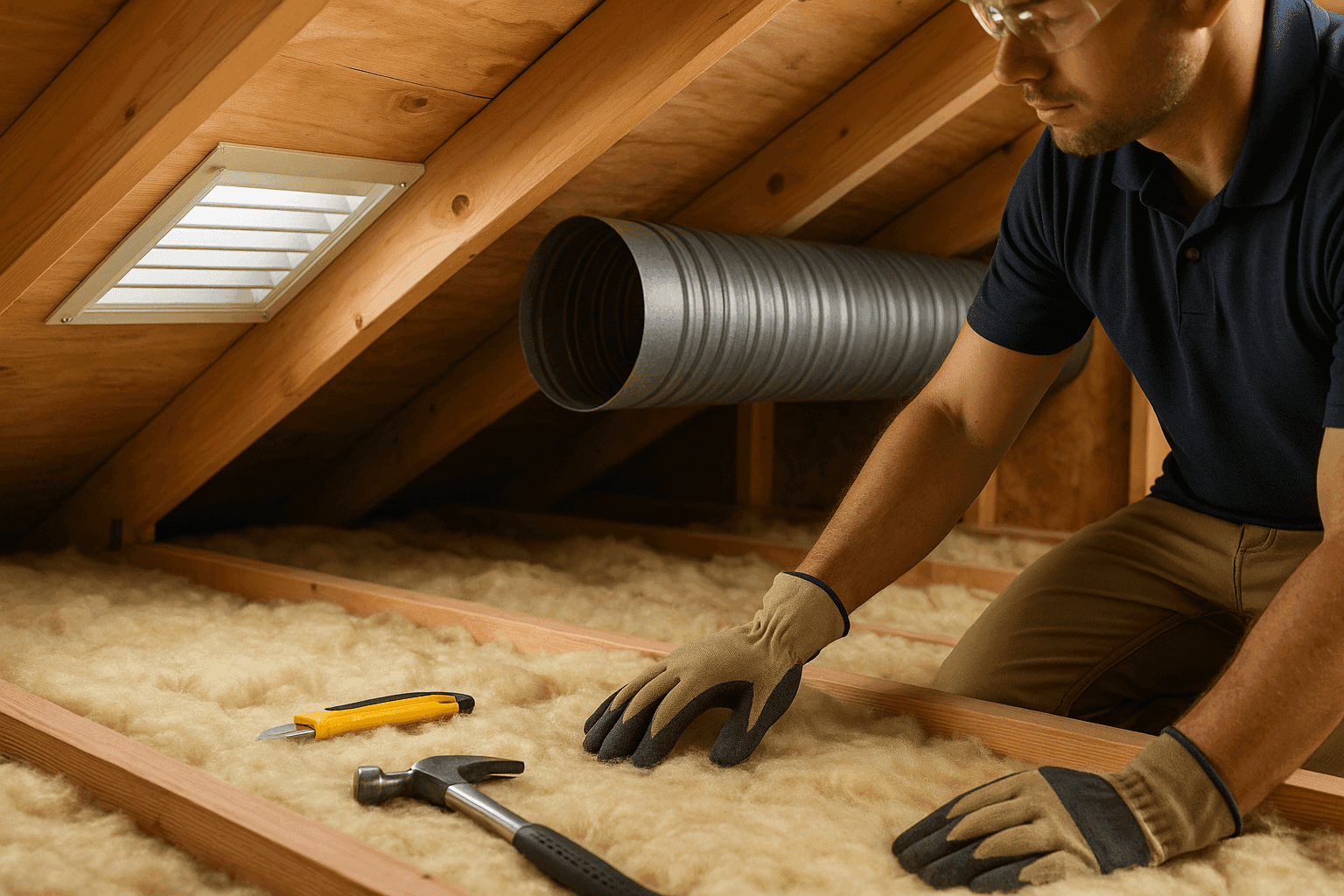
When the seasons change, your roof faces a new set of challenges. Maybe you’ve noticed your attic feels like a sauna in summer or an icebox in winter. Or maybe your energy bills seem to climb higher each year. You’re not alone—these are signs your roof’s ventilation and insulation need a closer look.
At Chucks Roofing, we know a roof isn’t just shingles and nails. It’s a system that protects your comfort, wallet, and peace of mind. Let’s break down what really matters when it comes to keeping your home or business cozy and efficient, no matter what the weather decides to throw your way.
What is Roof Ventilation? 🌬️
Imagine your roof as a pair of lungs for your building. Ventilation lets your roof breathe—pulling in fresh air and pushing out stale, moist air. Without it, your attic becomes a pressure cooker, trapping heat and humidity that can damage everything from rafters to insulation.
Types of Roof Ventilation
- Ridge Vents: Run along the peak of your roof, letting hot air escape naturally.
- Soffit Vents: Located under the eaves, they draw cool air into the attic.
- Gable Vents: Placed on the ends of the attic, helping air circulate side-to-side.
- Powered Attic Fans: Use electricity to boost airflow, especially helpful in larger or complex roofs.
Why Ventilation Matters
- Prevents mold and mildew by reducing moisture buildup.
- Extends the life of your shingles and roof deck.
- Helps keep indoor temperatures stable.
- Reduces the risk of ice dams in winter and excessive heat in summer.
The International Residential Code (IRC) recommends at least 1 square foot of ventilation for every 150 square feet of attic space. That’s a solid starting point, but every building is unique.
Why Proper Insulation Matters
Think of insulation as a cozy blanket for your building. It keeps warmth in during the winter and blocks heat in the summer. But if that blanket is too thin, patchy, or wet, you’ll feel the difference—and so will your energy bills.
Energy Savings and Comfort
- Lower Utility Bills: Good insulation means your heater and AC work less.
- Consistent Temperatures: No more chilly drafts or stuffy rooms.
- Quieter Indoors: Insulation also helps muffle outside noise.
The U.S. Department of Energy recommends an attic R-value between R-30 and R-60, depending on your climate. R-value measures how well insulation resists heat flow—the higher, the better.
Common Insulation Types
- Fiberglass Batts: Easy to install, affordable, and widely used.
- Blown-In Cellulose: Great for filling gaps and covering irregular spaces.
- Spray Foam: Seals air leaks and insulates at the same time.
How Ventilation and Insulation Work Together
Ventilation and insulation are like salt and pepper. One without the other just doesn’t work as well. Here’s why:
- Insulation slows down heat transfer, but if air gets trapped, moisture can build up—leading to mold or rot.
- Ventilation lets that trapped air escape, keeping insulation dry and effective.
- Together, they regulate attic temperature and humidity, protecting your roof and everything under it.
Skipping one or the other is a recipe for problems. Too much insulation with poor ventilation can cause condensation. Too much ventilation with little insulation means you’re still losing money on heating and cooling.
Seasonal Maintenance Tips to Maximize Efficiency 🛠️
A little routine care goes a long way. Here’s how to keep your system running smoothly all year:
Spring & Summer
- Check for bird nests or debris blocking vents.
- Look for signs of moisture—dark stains or musty smells in the attic.
- Inspect insulation for dampness or compression.
Fall & Winter
- Make sure soffit and ridge vents are clear of leaves and snow.
- Watch for ice dams forming at the roof edge.
- Check for drafts or uneven temperatures indoors.
Year-Round
- Schedule a professional inspection every year.
- Replace or top up insulation if it’s settled or damaged.
- Seal any gaps where air can leak into or out of the attic.
Signs You Need Professional Assessment or Upgrades
How do you know it’s time to call in help? Here are some red flags:
- Sudden spikes in energy bills
- Mold, mildew, or damp smells in the attic
- Peeling paint or water stains on ceilings
- Ice dams or icicles hanging from the roof edge
- Hot or cold spots in different rooms
- Visible damage to insulation or vents
If you spot any of these, don’t wait. Small problems can snowball into expensive repairs, especially if left unchecked.
Common Mistakes to Avoid
Even well-meaning DIYers can make mistakes. Here’s what to watch out for:
- Blocking soffit vents with insulation: This stops airflow and traps moisture.
- Using the wrong type of insulation for your attic: Not all insulation is created equal.
- Ignoring small leaks or gaps: These can let in water or pests.
- Skipping annual inspections: Problems often start small and grow over time.
If you’re ever unsure, it’s better to ask a professional than guess.
How Professional Roofers Assess Ventilation and Insulation
When Chucks Roofing arrives, here’s what you can expect:
- Visual Inspection: We check vents, insulation depth, and look for signs of moisture or damage.
- Thermal Imaging: Some assessments use infrared cameras to spot heat loss or cold spots.
- Airflow Testing: We ensure your vents are moving enough air.
- Safety Checks: Confirm everything meets building codes and fire safety guidelines.
We follow standards set by organizations like the National Roofing Contractors Association (NRCA) and the Occupational Safety and Health Administration (OSHA) for every job.
Preventative Maintenance: Protect Your Investment
Preventative care is the secret to a long-lasting, efficient roof. Here’s how you can stay ahead:
- Clear debris from gutters and downspouts regularly to prevent water backup.
- Trim overhanging branches to reduce leaf buildup near vents.
- Check attic insulation after storms or heavy rain for signs of water intrusion.
- Schedule professional inspections at least once a year.
A little attention now saves a lot of money and stress later.
Costs & Time Factors
Every roof is different, so costs and timelines vary. Here’s what to consider:
- Type of insulation and ventilation system needed
- Size and complexity of your roof
- Accessibility of your attic or crawl space
- Any existing damage that needs repair
Simple upgrades can take a few hours, while full replacements may take a day or two. Investing in quality materials and professional installation pays off in lower energy bills and fewer emergency roofing calls down the line.
When It’s an Emergency
Sometimes, roofing issues can’t wait. Call for emergency roofing services if you notice:
- Active leaks during storms
- Sudden collapse or sagging in the roof structure
- Major water stains or pooling in the attic
- Visible mold growth or strong musty odors
Quick action minimizes damage and keeps your property safe.
FAQ
How often should attic insulation be replaced?
Most insulation lasts 15–20 years, but it should be checked annually. Wet, compressed, or damaged insulation should be replaced right away.
Can poor ventilation really cause roof damage?
Absolutely. Poor airflow traps heat and moisture, which can rot wood, peel paint, and shorten your roof’s lifespan.
Is more insulation always better?
Not necessarily. Too much insulation can block vents and trap moisture. Balance is key—follow code recommendations for your building.
What’s the best way to check for ventilation issues?
Look for signs like musty odors, high attic temperatures, or visible mold. If in doubt, schedule a professional inspection.
Special Considerations for Ventilation and Insulation
Every building is unique. Older homes may need different solutions than new construction. Commercial roofs often have different ventilation requirements than residential ones. Skylights, chimneys, and flat roofs all add complexity, so it’s important to tailor your approach.
Chucks Roofing offers eco-friendly options, advanced sealants, and preventative maintenance plans to fit your needs—whether you’re a homeowner or a small business owner.
Call Chucks Roofing now — or reach us anytime at 888-885-5921 .